Managing blood sugar consistently is one of the most important, and challenging, parts of living with diabetes or prediabetes. Numbers can fluctuate based on meals, timing, activity, medication, and even stress. This Blood Sugar Tracker spreadsheet was built to make those patterns visible in a simple, structured way, without requiring any technical knowledge or complicated setup.
Instead of relying on scattered notes, screenshots from glucose meters, or memory alone, this template brings everything into one place. It helps you track daily blood sugar readings, compare them against recommended target ranges, log medications taken, and stay mindful of fiber intake, a key factor in controlling blood sugar spikes.
This spreadsheet for blood glucose logging is intentionally divided into three focused sheets: one for daily blood sugar tracking, one for medications, and one for high-fiber foods. Each sheet supports the others, creating a system that feels practical rather than overwhelming. Whether someone is newly diagnosed, adjusting medications, or simply trying to understand how food affects their glucose levels, this template provides a clear framework for doing exactly that.
Key Features and Sections
Blood Sugar Sheet
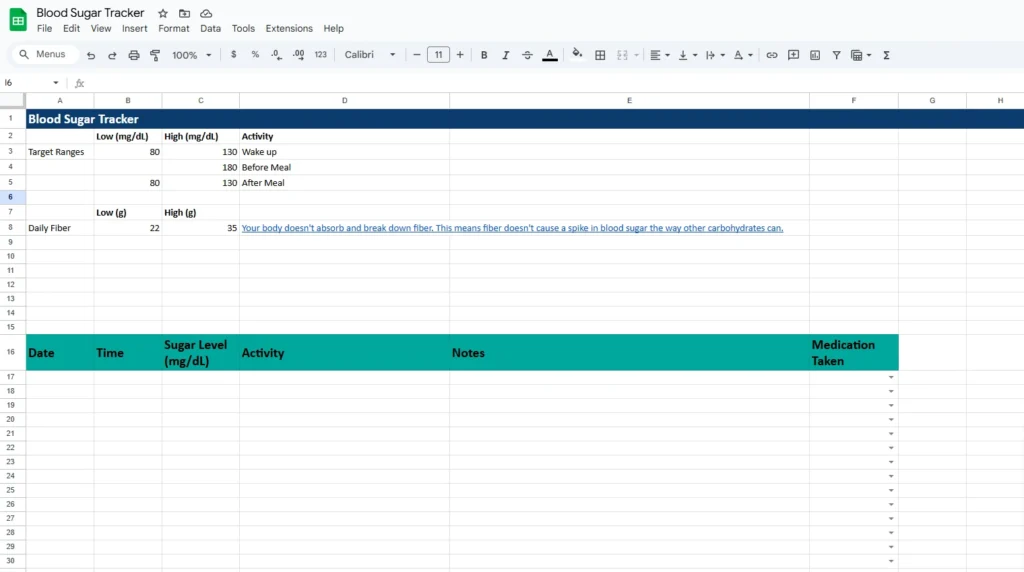
The Blood Sugar sheet is the core of the template and contains two main sections: goal reference information and daily data entry.
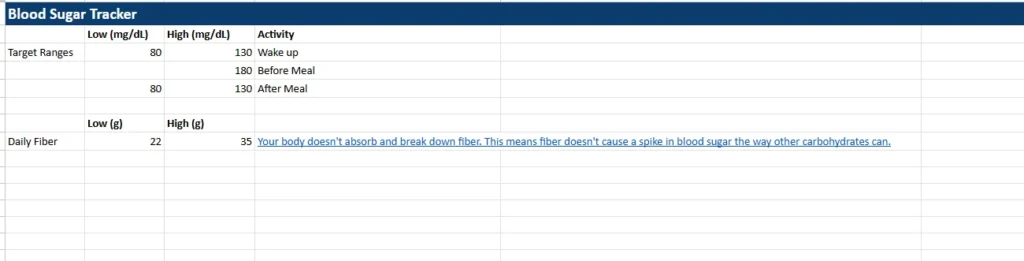
At the top of the sheet, you see clearly defined target ranges for blood sugar levels based on common scenarios such as waking up, before meals, and after meals. These reference values give immediate context to every reading entered later. For example, a morning fasting reading of 110 mg/dL can be quickly compared against the suggested wake-up range, helping you recognize whether that number is within their goal or something to monitor more closely.
This section also includes daily fiber intake goals. Fiber plays a critical role in slowing glucose absorption, and many people managing blood sugar struggle to consistently hit recommended fiber ranges. By including fiber guidance directly in the tracker, the spreadsheet reinforces healthy habits without requiring you to look elsewhere for nutritional context.
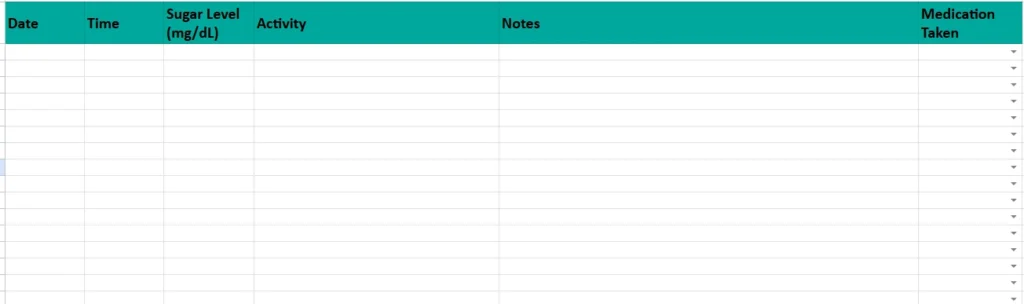
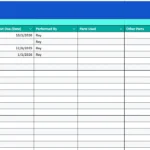
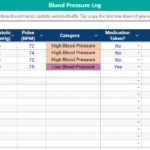
The second section of the Blood Sugar sheet is the data entry table. This is where daily tracking happens. Log the date, time, blood sugar level, activity (such as waking up or eating a meal), notes, and any medication taken. Over time, this table becomes a personal dataset that reveals trends, like consistently higher post-dinner readings or better control on days with higher fiber intake.
Medications Sheet
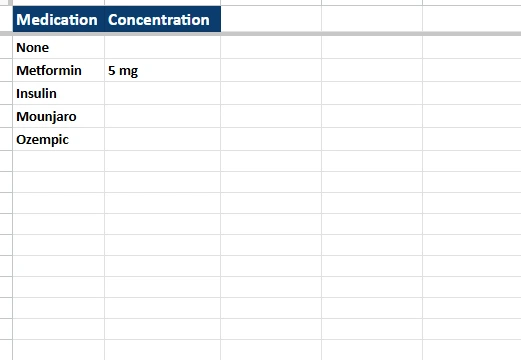
The Medications sheet exists to make daily logging faster and more accurate. Instead of typing medication names repeatedly or risking inconsistent spelling, you can add your medications once and then select them from dropdown menus on the Blood Sugar sheet.
This sheet includes columns for medication name and concentration or dosage. For example, you might list Metformin at 500 mg, insulin, or newer medications such as Ozempic or Mounjaro. Once added here, these medications automatically become selectable options when logging blood sugar readings.
This approach reduces friction during daily use. Logging data should take seconds, not minutes. It also ensures cleaner data over time, which is especially helpful for anyone who plans to share their spreadsheet with a healthcare provider.
High Fiber Foods Sheet
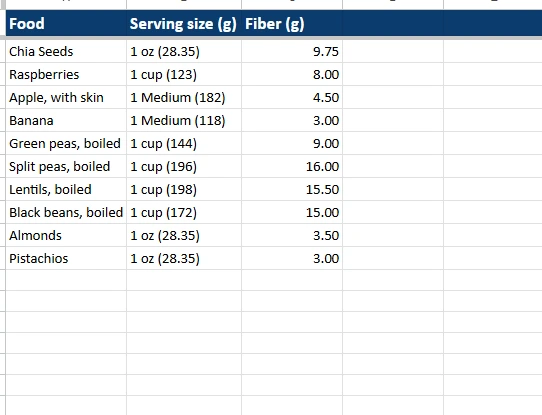
The High Fiber Foods sheet serves as a built-in educational reference. Many people know fiber is “good,” but fewer understand which foods are actually high in fiber or how much fiber they provide per serving.
This sheet comes pre-filled with common high-fiber foods such as chia seeds, lentils, raspberries, black beans, and nuts, along with serving sizes and fiber amounts. You can quickly scan this list when planning meals or reviewing what they ate on days when blood sugar stayed more stable.
There is also room to expand the list. You can add your frequently eaten foods or include culturally specific ingredients that fit your diet. Over time, this sheet becomes a personalized food reference that supports better blood sugar decisions without requiring constant research.
How to Use the Template
Using the Blood Sugar Tracker effectively starts with a short setup process. First, you should review the target ranges and fiber goals listed at the top of the Blood Sugar sheet. These values provide guidance and context, even if personal targets differ slightly based on medical advice.
Next, you should move to the Medications sheet and enter any medications they currently take. This step only needs to be done once unless medications change. After that, the dropdown menus in the data entry table are automatically ready to use.
Daily use is straightforward. Each time blood sugar is measured, add a new row with the date, time, reading, and activity. For example, someone might log a 95 mg/dL reading upon waking, note “Wake up” as the activity, and select “None” under medication. Later, after lunch, they might log a higher reading, note what they ate, and record that they took Metformin.
The notes column is especially powerful. This is where you can record contextual details such as “high-carb meal,” “long walk afterward,” or “poor sleep last night.” Over weeks or months, these notes help explain patterns that numbers alone can’t capture.
The High Fiber Foods sheet comes into play when you notice trends. If blood sugar spikes after certain meals, they can reference the fiber list and experiment with adding higher-fiber options. The spreadsheet doesn’t just collect data. It encourages informed adjustments.
Why Choose This Template
Many blood sugar tracking tools are either too simplistic or overly complex. Mobile apps often hide data behind charts without context, while advanced spreadsheets can feel intimidating. This template is designed to sit in the middle. Structured, but approachable.
One of its biggest strengths is integration. Blood sugar readings, medications, and dietary guidance live in the same file, reducing the mental load of tracking across multiple tools. Everything is visible, editable, and owned by you.
This spreadsheet is especially useful for people who want control over their data. Because it’s built in Google Sheets, you can access it from any device, make copies, or share it with a doctor, dietitian, or caregiver. There are no accounts to create and no data locked behind subscriptions.
Realistically, this template works well for newly diagnosed diabetics who want to understand how lifestyle changes affect their numbers, for people adjusting medications, and for anyone managing prediabetes who wants early insight before problems escalate. It’s also helpful for caregivers tracking readings for family members.
Download Your Free Blood Sugar Tracker Spreadsheet
- Free Template
- Fully Editable
- Instant Access
- Organize your information
How to Access Your Copy
- Enter your email for instant access
- Open the link we send you
- Start using the spreadsheet right away